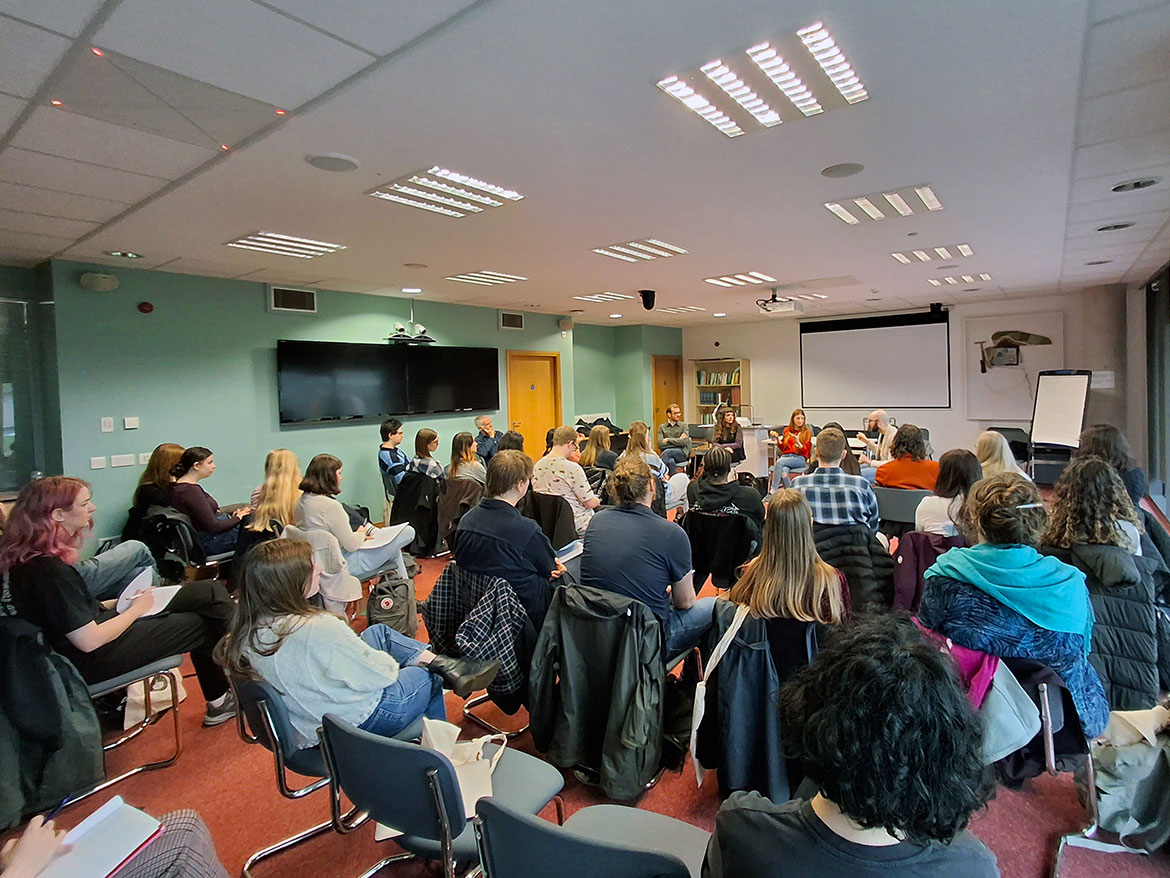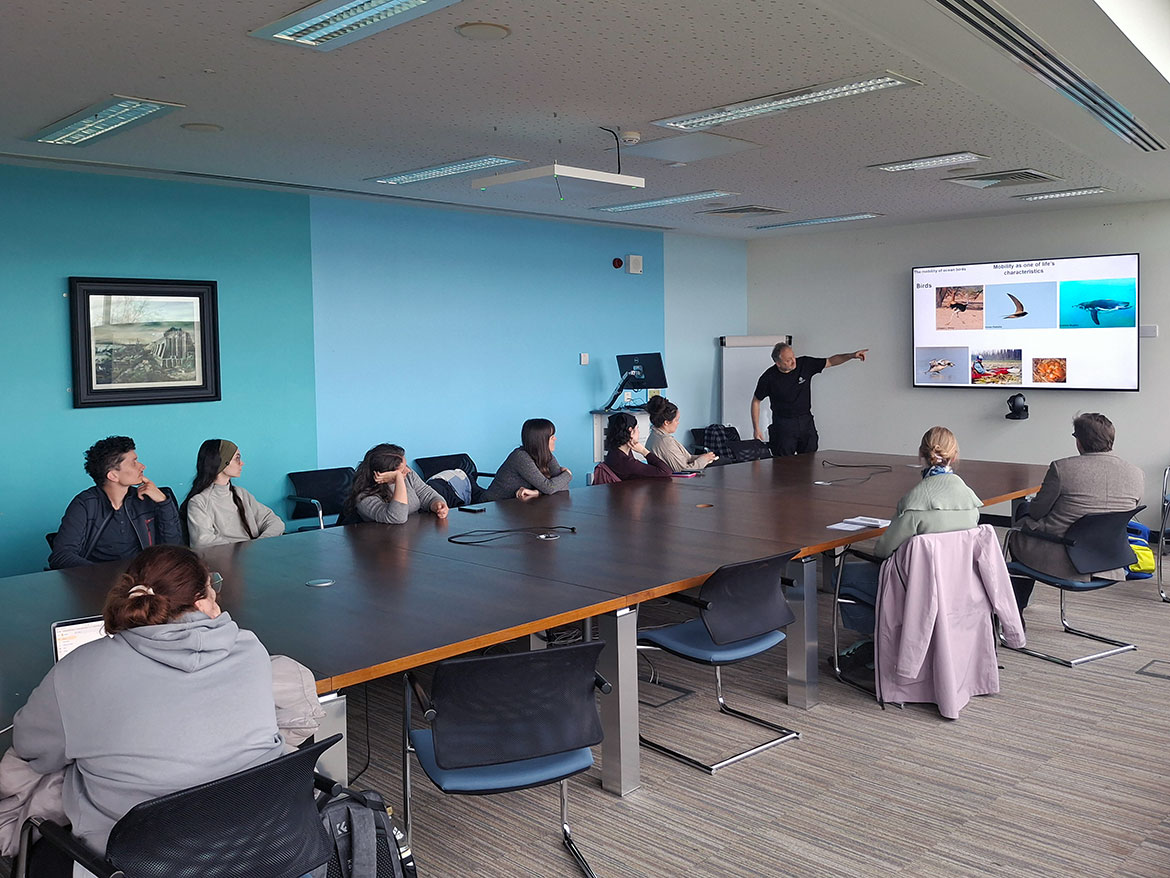
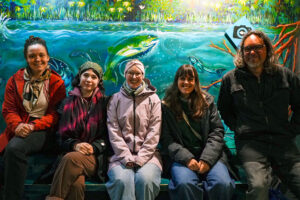
The Galway shores brought together ENLIGHT project partners for a workshop on April 14-15 hosted by the University of Galway. A delegation from CEMUS, Uppsala University joined international colleagues to explore the complex dynamics of marine migrations and interconnected societal issues.
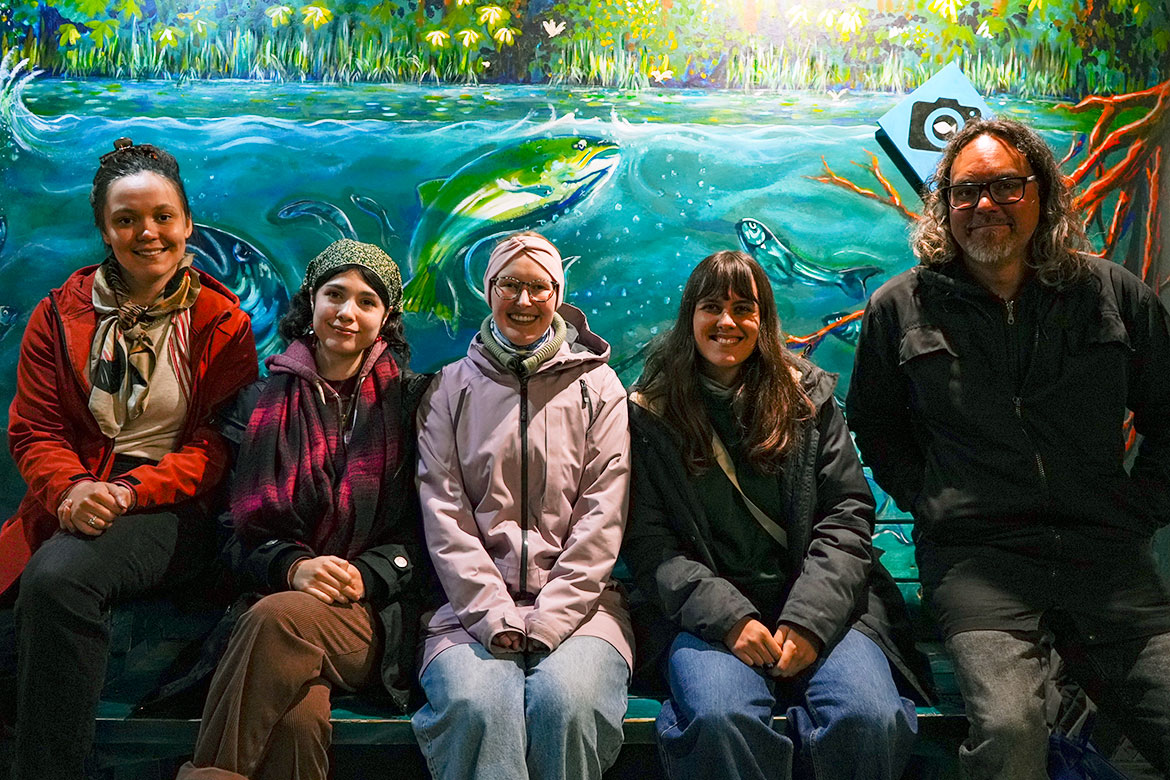
The CEMUS delegation included course coordinators Alexandra Bengtsson del Barrio, Vera Brandes, Janka Huber, Ida Hundertmark, and lead outreach coordinator Daniel Mossberg.
“B-MOVE: Beyond Migration: Organisms, Matter, Voices, Ecologies” is an ENLIGHT Thematic Network (ETN), part of the wider ENLIGHT university network. B-MOVE brings together students, researchers, and educators to explore migration and mobility beyond human-centred perspectives, connecting ecological processes with cultural and creative practices.
ENLIGHT is a European university network to promote equality, increased quality of life, sustainability, and global engagement through higher education.
Funded by the European Union. Views and opinions expressed are however those of the author(s) only and do not necessarily reflect those of the European Union or the European Education and Culture Executive Agency. Neither the European Union nor the granting authority can be held responsible for them.
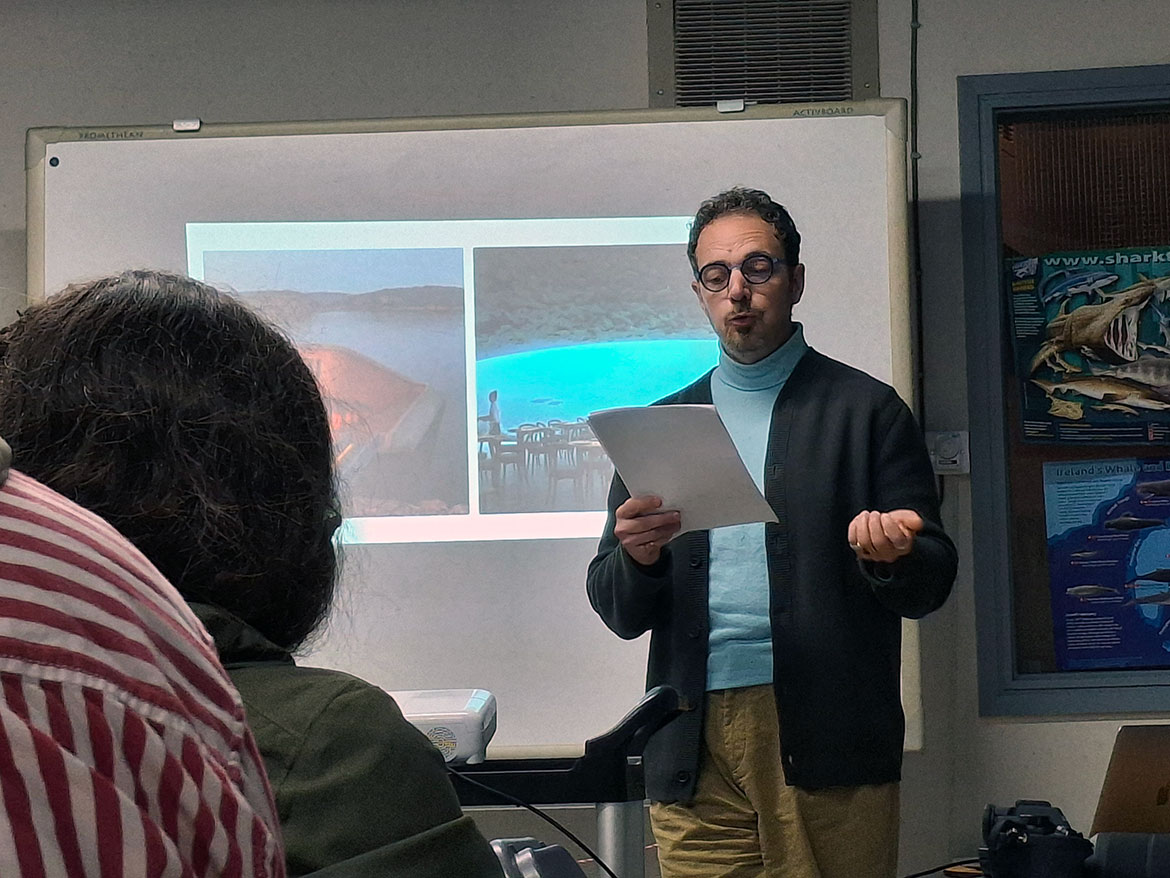
Roundtable on narratives and literature and poetry reading by Vera Brandes
“Earth should be called Water” – This is one of the most memorable quotes for me from our days in Galway. Water was a reoccurring topic that flowed through all our conversations and workshops. This quote came up in a roundtable discussion on narratives and perspectives of the more-than-human in literature. We discussed how creativity can help us discover things or perspectives that we would not see otherwise. Here, we saw a clear connection and possibility for our CEMUS courses to incorporate (more) creative tasks into examination and seminars. Another central part of the discussion was around the usefulness of narratives and stories for environmental communication. We argued back and forth between rejecting the notion that everything has to serve a purpose and be productive to asking for which narratives in climate fiction are helpful in inspiring positive change.
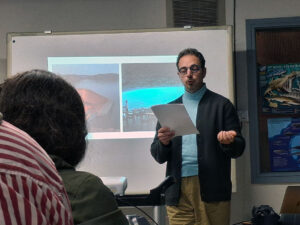 The connection to water continued the next day in a poetry reading with French poet Thibault Marthouret. He read us some of his poetry in French and English and took us on a mental journey from an eternal summer on a beach to a river in the Indian Himalayas. We learned about the creative process of writing and playing with different languages. Thibault told us that reading and writing are two parts of one process, and a practical tip was to read your own poem aloud to advance in writing. This tip can be applied to all texts and might also be a new way to engage with writing assignments.
Reflecting on these two events, I think they speak to the power of stories to engage with environmental topics. Literature and art often speak to us in an emotional way, which creates other, arguably deeper, connections than rational understanding of an issue.
Learning beyond the classroom walls: rethinking educational spaces by Alexandra Bengtsson del Barrio
While we walk through Galway’s picturesque streets, I find myself reflecting on these days and on the experiences, I will carry back with me to CEMUS. I think about the need to rethink the way we communicate with students, and the way we teach. About the growing crisis of classroom attendance, and the urgency of meeting students elsewhere – through new strategies, or perhaps through old ones rediscovered.
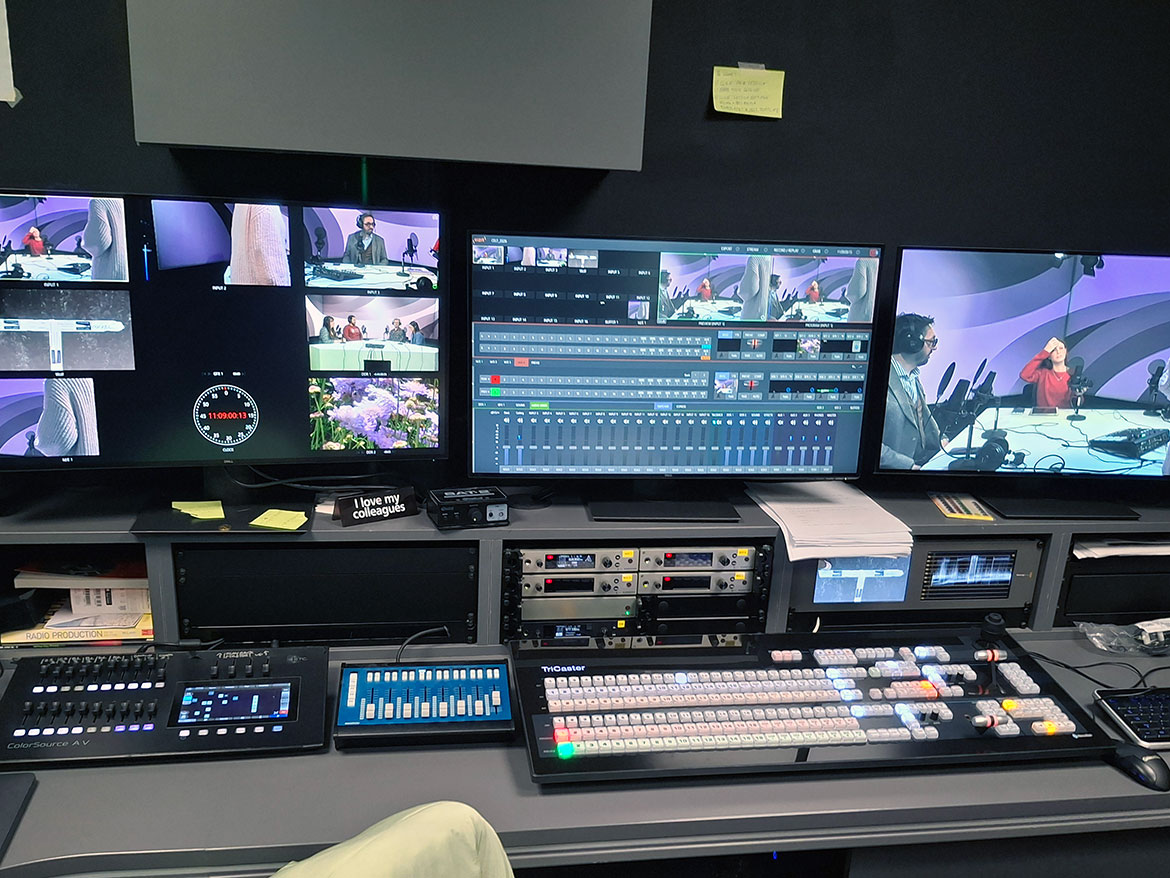
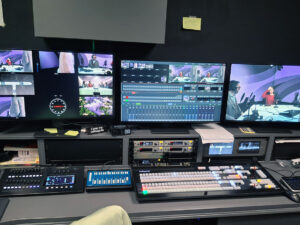 Visiting the podcast recording studio at the University of Galway, I am struck by the quality of the equipment and by the apparent ease with which these tools can be used. I begin to imagine the potential of bringing formats like these into an educational context such as the one we cultivate at CEMUS. I imagine students giving free rein to their imagination and creativity, exploring new formats and new ways of communicating, while pursuing objectives that, in truth, have not changed so much over time: to communicate and to connect, to listen and to be listened to. I imagine self-managed student podcasts, scripts filled with new ideas, lights, camera, action. A shared passion for sustainability and for our collective ideals of a greener, more empathetic world.
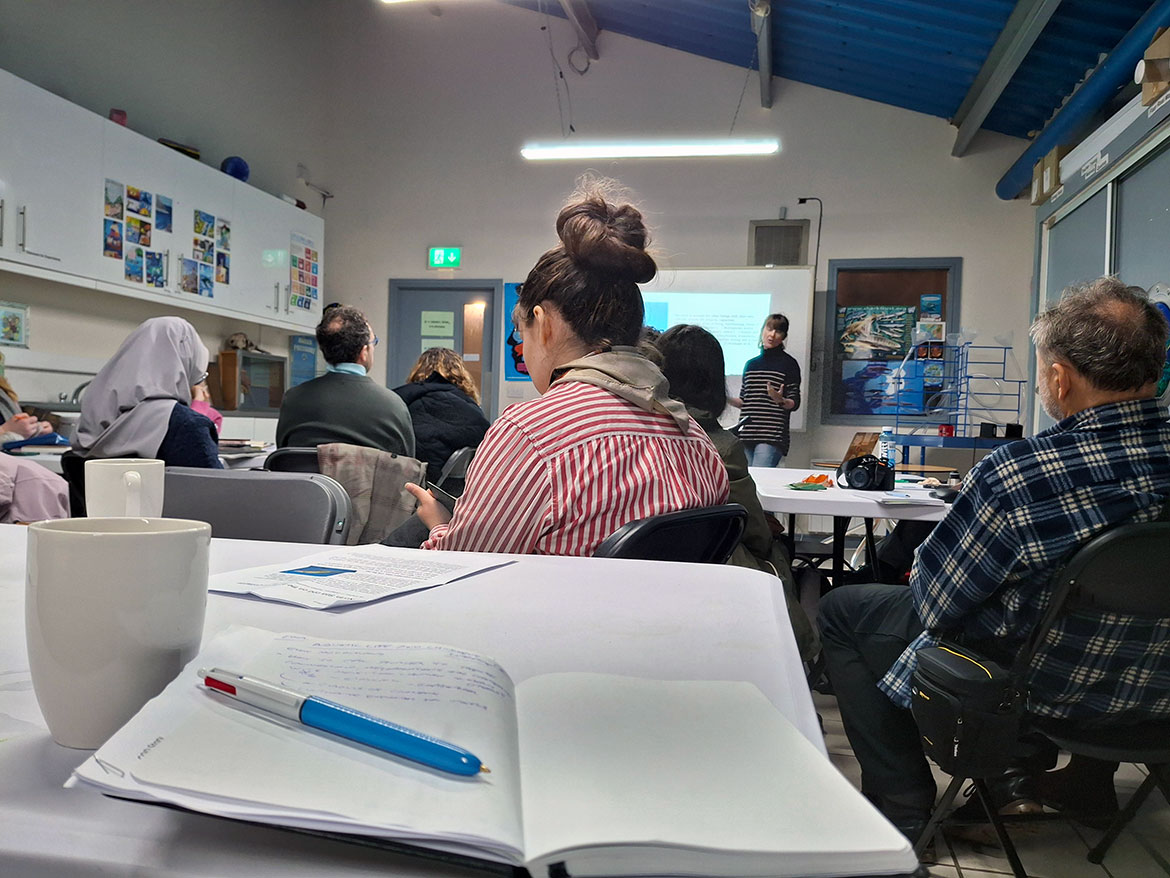
Yet, in that same recording room, we attend a debate on AI that leaves me reflecting on the ambivalence of new technologies. While I think about their possibilities, I also think about their limitations and contradictions, not only at an environmental level, but also in the ways they reshape attention, relationships, and learning itself. As both a student and a course coordinator at CEMUS, I reflect on what students most often highlight as meaningful learning experiences: outdoor activities, encounters with others, excursions, shared moments beyond the classroom walls. In this sense, I wonder whether, at a time when so much attention is placed on educational innovation, it may also be quietly disruptive to look backwards, to recover practices we might consider “traditional,” such as field visits, collective walks, or learning through direct contact with places and people. Perhaps innovation is not always about moving faster towards the new, but sometimes about returning to what allows us to feel present.
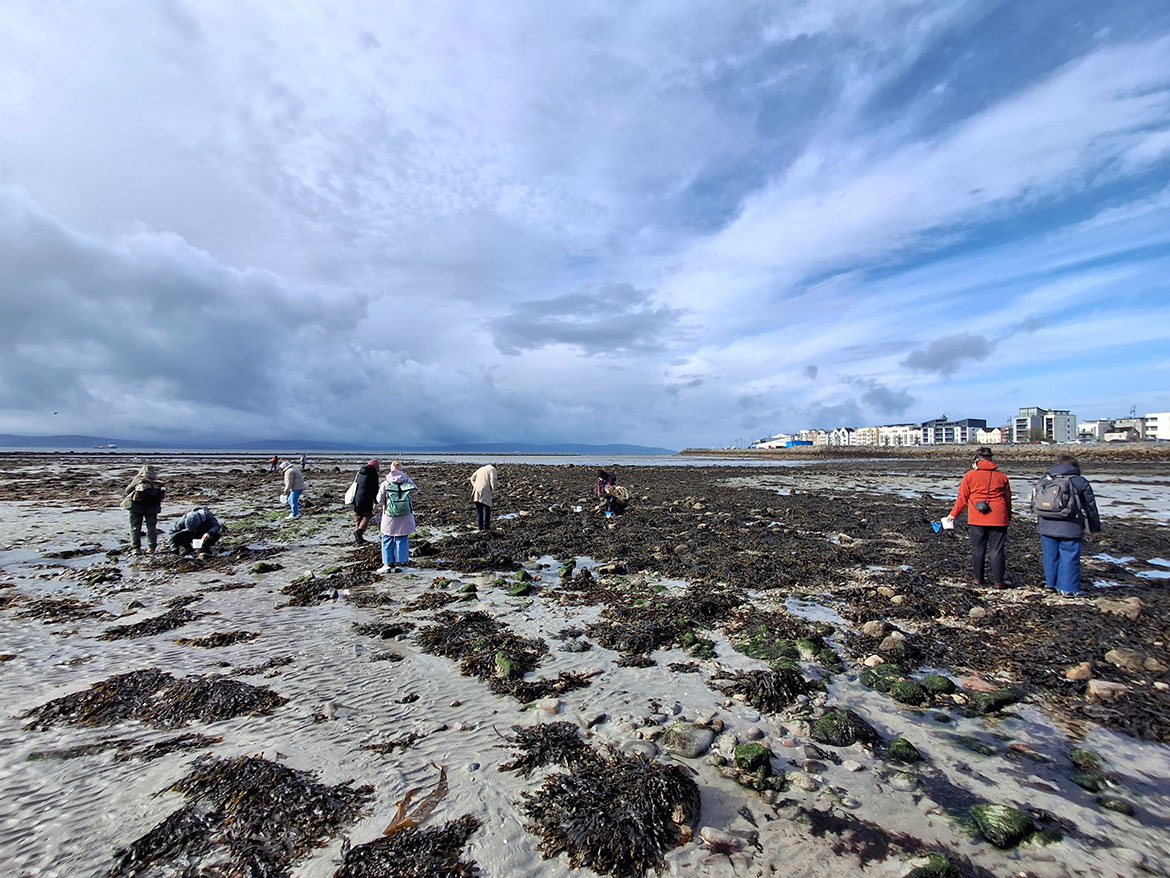
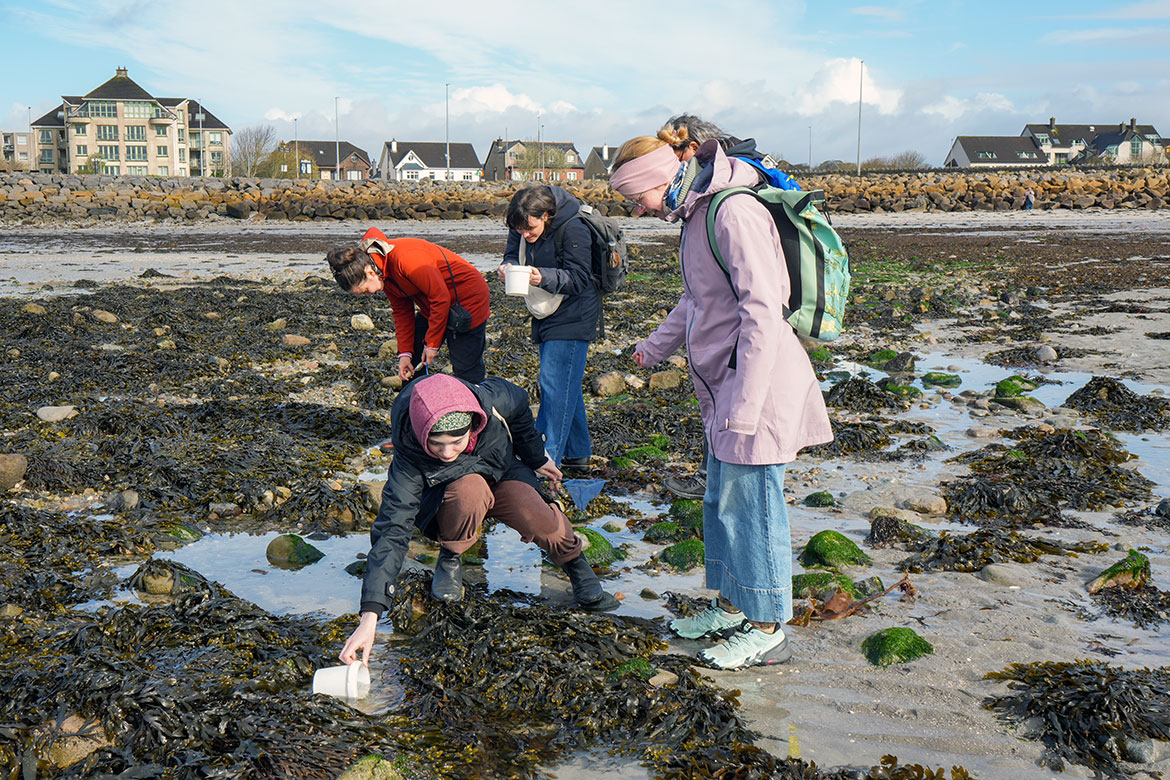
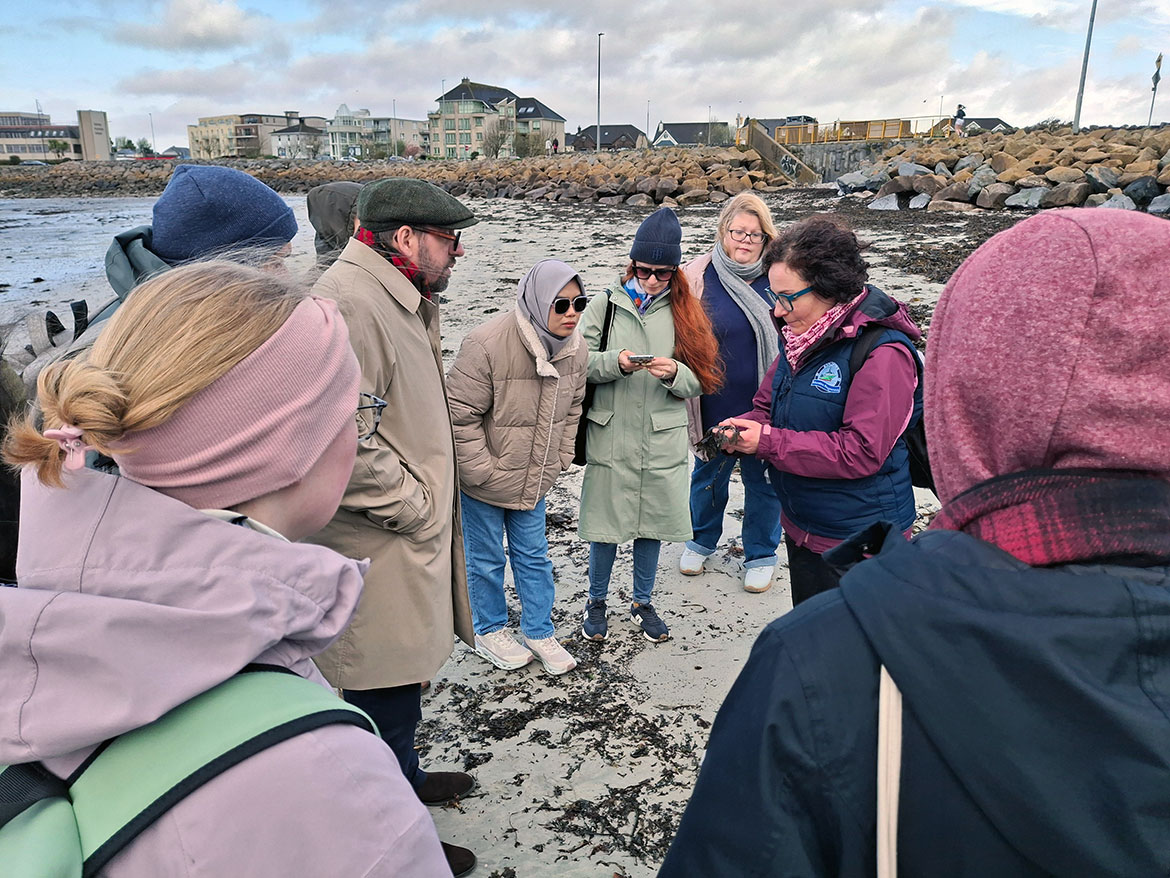
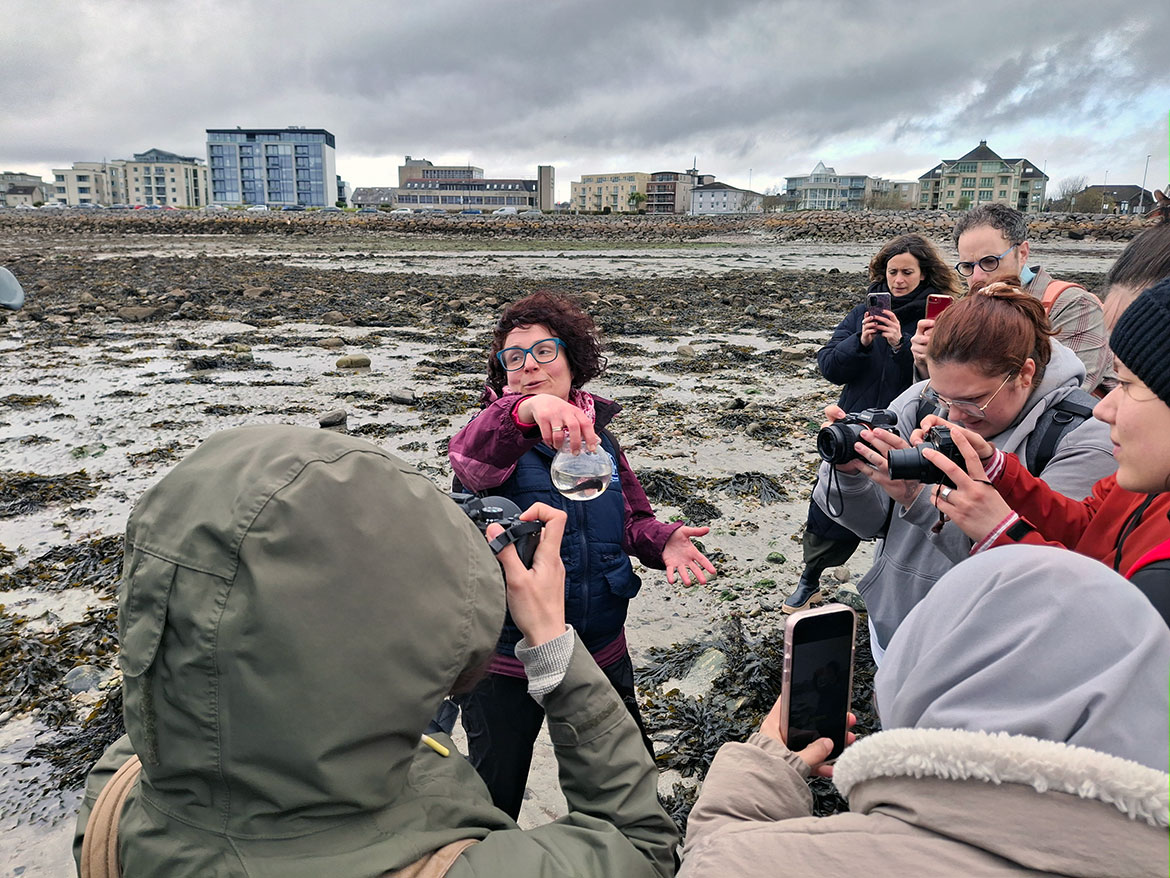
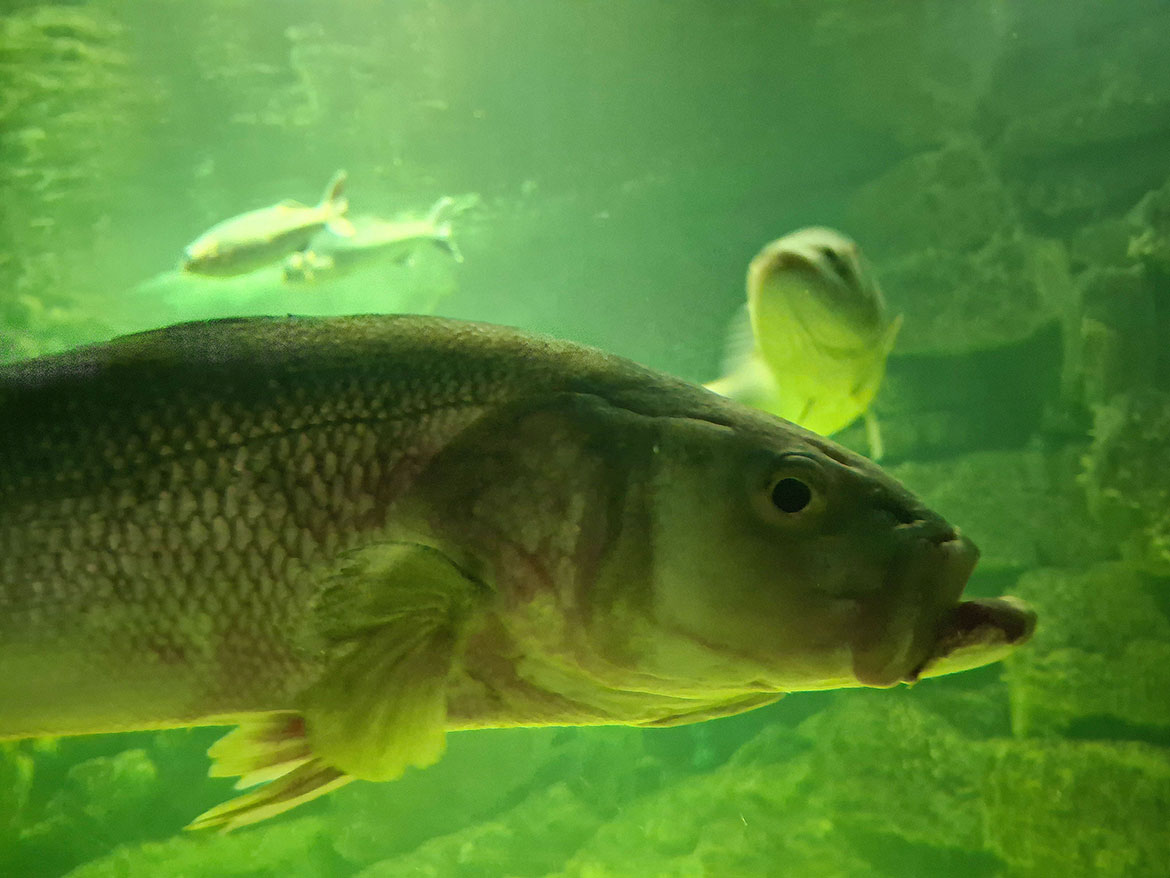
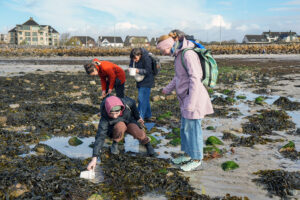 The following day, we visit Galway Atlantaquaria, after spending the morning rockpooling at Grattan Beach. It feels like a journey back to childhood, but also like a glimpse into what education for future generations could become. A reconnection with simple things: freezing seawater on our hands, stones polished and eroded by years of wind and tide, seaweed of every shape and colour that our guide patiently introduces to us. Later, inside Ireland’s largest native-species aquarium, endless fish, lobsters, and marine creatures observe us with silent eyes, awakening questions about ethics, species conservation, empathy, and interspecies relationships. Once again, I think about the importance of context – of the places that shape educational processes – and about the need to move learning beyond the limits we have reduced it to within university classrooms. To bring it back into wider contexts, into more complex realities, where knowledge acquires new dimensions and where learning becomes something lived, embodied, and shared.