
Part 1 | Part 2 | Part 3 | Part 4 | Part 5
4.7
Biodegradable Algae-Based Substitutions for Plastics
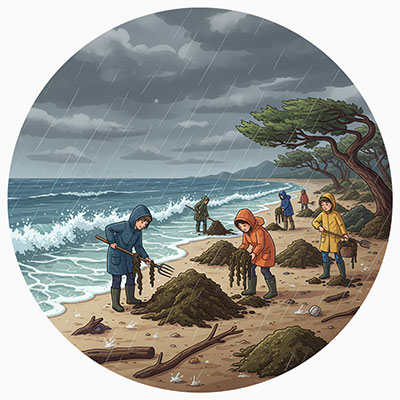
It’s time to highlight another special inhabitant on Planet Earth: algae. In this step we’ll look at the different ways to use algae and seaweed (a type of macroalgae) in new and creative ways to replace more unsustainable materials.
The global algae-based bioplastics market is valued at 110 million USD in 2024, and is forecast to reach 175.8 million USD by 2034. Specialized firms use both macroalgae (seaweed) and microalgae to produce fully biodegradable packaging, films, and polymers, primarily substituting conventional plastics in the packaging sector. High production costs remain the primary challenge to widespread commercial scaling.
The following video introduces algae and how they can be used to make biodegradable plastic, fertilizer, and methane-reducing livestock feed, highlighting their potential for sustainable industries.
Biodegradable Algae-Based Solutions
Here are some examples of startups using algae to make biodegradable substitutes for traditional plastics.
-
Algenesis Labs develops Soleic, a plant-based polyurethane polymer system designed to replace toxic petroleum-based plastics. Soleic materials are made to be durable and fully biodegradable, reducing greenhouse gas emissions by up to 84 percent compared to traditional polymers, offering a solution to plastic pollution and waste. In the video here the process of making biodegradable flip-flops and the challenges of algea-based subsitutions are discussed.
Zerocircle creates innovative materials from sustainably harvested seaweed to replace fossil-fuel-based plastics. They produce fully biodegradable films, paper, glues, and coatings that require no land-use or freshwater, offering a solution to plastic pollution. The video here introduces their business and work.
Notpla creates fully biodegradable packaging from seaweed, a fast-growing, carbon-capturing resource cultivated sustainably in marine environments. Products include edible liquid pods (Ooho), food containers, and flexible films that disappear naturally without waste. Watch a podcast interview with Notpla founder Pierre Paslier here.
Further reading, learning and references
Future market Insights – Algae-Based Bioplastics Market https://www.futuremarketinsights.com/reports/algae-based-bioplastics-market
Algenis https://www.algenesislabs.com/
Business Insider – Flip-Flops Made From Plants And Algae Can Help Reduce Plastic Pollution | World Wide Waste https://youtu.be/9otWnmTpQAQ
Zerocircle https://www.zerocircle.in/
Business Insider – Can Indian Seaweed Replace Plastic? | World Wide Waste https://youtu.be/-mzNkl9RQvI
Notpla https://www.notpla.com/
Super Seaweed Solving the Plastic Problem (with Pierre Paslier, Notpla) https://youtu.be/2VGiz0vjDJU
© Daniel Mossberg, CEMUS, Uppsala University and Sonali Phadke, studio Alternatives and Stephanie Foote