Part 1 | Part 2 | Part 3 | Part 4 | Part 5
Part 3: Use of Recycled Materials and Upcycling
Week 5

Introduction to Use of Recycled Materials and Upcycling and Part 3
In this section, we introduce Part 3, where we’ll take a closer look at upcycling, creative reuse, and recycling. We start with the concept and practical applications of upcycling, as well as inspiring examples of circularity in Asia.
3.1 Introduction to Part 3: Use of Recycled Materials and Upcycling
3.2 Upcycling: Beyond Recycling and Waste
3.3 From Trash to Treasure: Circular Practices and Upcycling in Asia

Upcycling from Different Waste Sources and in Different Contexts
This section focuses on different areas of upcycling: textiles and fashion, inflatable boats turned into bags, how e-waste can become new functional items, and how you can make art out of trash.
3.4 Turning Textile Waste into New Clothes and Products
3.5 Upcycling in Innovative, Small Businesses: Once a Boat, Now a Bag
3.6 Upcycling at Home: Turning Old Laptops into Lamps and Making Art with Waste
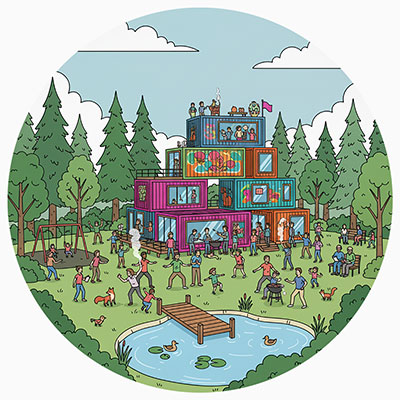
Upcycling by studio Alternatives
For this section, we’ll get an overview of the inspiring work of studio Alternatives, covering how to work with waste, upcycling examples, scrap libraries, and container spaces for all sorts of activities.
3.7 Working with Waste: Encouraging Creative Reuse and Upcycling
3.8 Libraries for Upcycling and Lending Services: Scrap Libraries and the Library of Things
3.9 Container-based Solutions: Resource Effective Spaces for Living and Learning
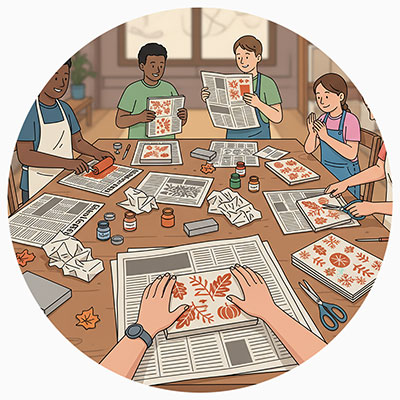
End of the Week Assignment
The assignment lets you explore and investigate a specific topic and place from a circularity perspective. This week’s assignment is a practical upcycling exercise in creating new gift-wrapping out of old newspaper or paper.
3.10 Hands-on Upcycling at Home: Making Gift-wrapping Paper for All Seasons
Week 6
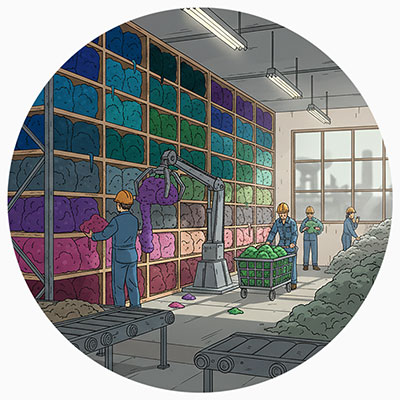
Recycling of Textiles
In this section we’ll learn more about the challenges of textile recycling, how the rise of fast fashion has increased waste, and go through case studies of textile recycling, turning waste into new fabrics and building bricks.
3.11 The Rise of Fast Fashion and Critical Recycling Challenges
3.12 Turning Recycled Textiles into New Fabrics: Corertex Consortium and Re-Fresh Global
3.13 Transforming Textile Waste into Bricks and Other Building Materials
Recycling of Plastics
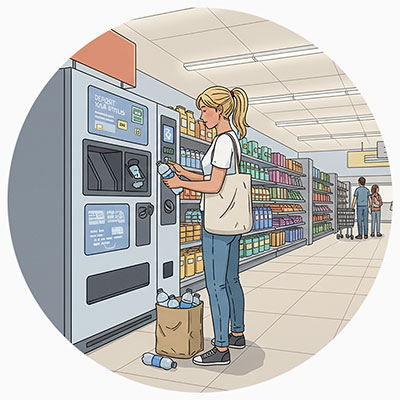
In this section we look closer at case studies of plastic recycling initiatives from Sweden, the European Union, HP and Haiti, that provide examples of ways to create more circular industry and business practices.
3.14 The Swedish Plastic Bottle Recycling System: Returpack – Pantamera
3.15 The European Union’s Single-Use Plastics Directive
3.16 HP Ink Cartridges and Plastic Recycling in Haiti
Recycling Metals, Glass and the Unrecycable
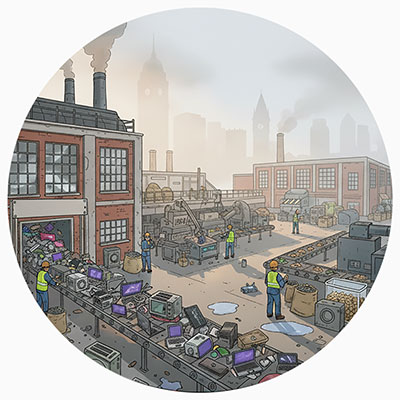
In this section we examine diverse recycling approaches, from urban mining for rare-earth minerals to the specialized process of window glass recycling, concluding with a discussion on initiatives like TerraCycle and the debate on greenwashing.
3.17 Urban Mining and Recycling of E-waste
3.18 RagnSell’s Window Glass Recycling
3.19 TerraCycle: Recycle the Unrecyclable or Greenwashing?
End of the Week Assignment
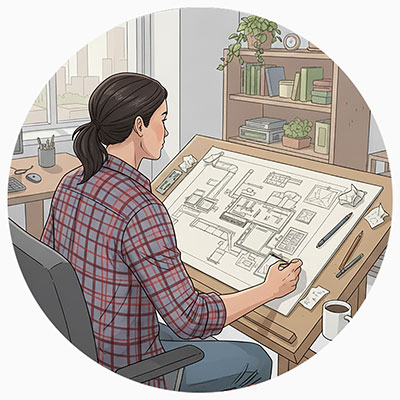
The assignment lets you explore and investigate a specific topic and place from a circularity perspective. This week we will focus on redrawing and reimagening the waste and recycling system.
3.20 Redrawing and Reimagining the Waste Map: Design for Recycling